
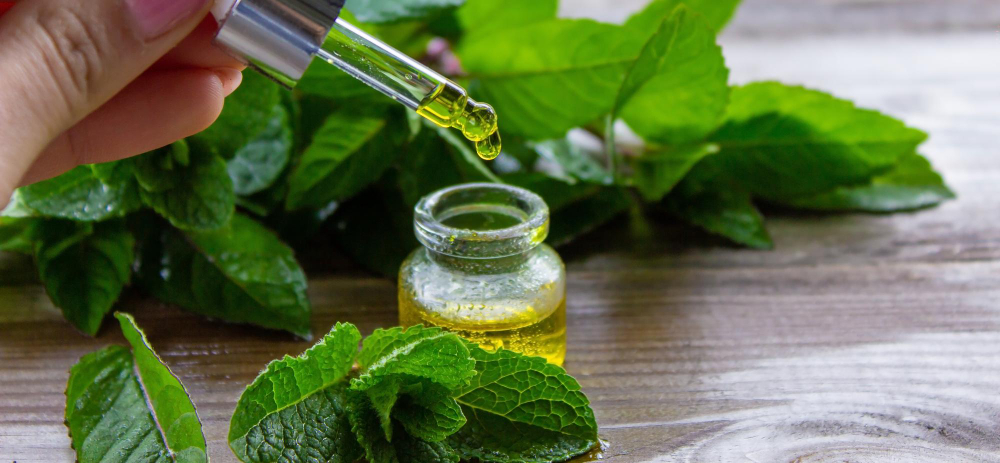
Peppermint is a widely known aromatic herb that has been used for centuries in traditional medicine, food, and personal care products. It is valued for its cooling sensation, refreshing scent, and potential health benefits. This article provides an informational overview of peppermint, including its uses, benefits, and important safety considerations. The purpose is to help readers understand peppermint better without making exaggerated claims or promoting any products.
What Is Peppermint?
Peppermint is a hybrid herb created by crossing watermint and spearmint. Its scientific name is Mentha × piperita. The plant contains menthol, which is responsible for its characteristic cooling sensation. Both peppermint leaves and peppermint oil are commonly used in various forms such as teas, essential oils, and flavoring agents.
Peppermint is widely used in:
- Herbal teas
- Digestive remedies
- Toothpaste and mouthwash
- Aromatherapy
- Food and beverages
Because of its versatile properties, peppermint remains one of the most popular herbs in both traditional and modern contexts.
Health Benefits of Peppermint
- Supports Digestion
Peppermint is traditionally used to support digestion. It may help reduce symptoms such as:
- Bloating
- Gas
- Mild indigestion
Peppermint may help relax the muscles of the digestive tract, which can improve the movement of food through the stomach and intestines. Peppermint tea is often consumed after meals for this purpose.
- May Help with Headache Relief
Peppermint oil is commonly used as a natural option for tension headaches. Menthol in peppermint may help improve blood flow and reduce muscle tension. When diluted and applied to the forehead or temples, peppermint oil may provide a cooling sensation that can ease discomfort.
- May Improve Focus and Mental Alertness
The refreshing aroma of peppermint is often used in aromatherapy to improve mental alertness and reduce feelings of fatigue. Some people use peppermint scent while studying or working to feel more focused.
- Supports Oral Hygiene
Peppermint has mild antibacterial properties, which is why it is commonly found in oral care products such as toothpaste and mouthwash. Peppermint can help reduce bad breath by addressing odor-causing bacteria in the mouth.
- May Provide Relief During Cold Symptoms
Peppermint contains menthol, which can help open nasal passages and provide a cooling sensation. Peppermint steam or balms may offer temporary relief for nasal congestion or cough symptoms during a cold.
Common Uses of Peppermint
- Peppermint Tea
Peppermint tea is caffeine-free and widely consumed for its soothing effect. It is often used to support digestion and promote relaxation after meals. Peppermint tea can be enjoyed as part of a daily routine in moderate amounts.
- Peppermint Oil
Peppermint essential oil is used in aromatherapy, massage, and topical applications. It should always be diluted with a carrier oil before applying to the skin. Peppermint oil is not recommended for ingestion unless guided by a qualified healthcare professional.
- Peppermint in Skincare
Peppermint is sometimes included in skincare products due to its cooling effect. It may help provide a refreshing sensation and may be used in products designed for oily skin. People with sensitive skin should perform a patch test before using peppermint-based products.
Peppermint in Food and Beverages
Peppermint is commonly used as a flavoring ingredient in desserts, candies, drinks, and snacks. Its fresh taste adds a cooling and refreshing flavor to many recipes.
Safety Tips for Using Peppermint
- Always dilute peppermint oil before applying it to the skin.
- Avoid excessive use of peppermint oil or supplements.
- Do not rely on peppermint as a substitute for medical treatment.
- If you experience irritation or discomfort, discontinue use and consult a professional.
Peppermint can be a supportive option for well-being, but it should be used responsibly and in moderation.
Conclusion
Peppermint is a versatile herb with a long history of use in traditional and modern contexts. It is commonly used for digestive support, headache relief, oral hygiene, and aromatherapy. While peppermint is generally safe for most people, it should be used responsibly and in moderation. Individuals with specific health conditions or concerns should consult a healthcare professional before using peppermint in medicinal forms.


